Explore everything about the Nike Air VaporMax Plus—a sneaker that perfectly blends futuristic tech and iconic design. Learn why it’s loved for comfort, performance, and bold style.


A Sneaker Legacy Reinvented: Introduction to the Nike Air VaporMax Plus
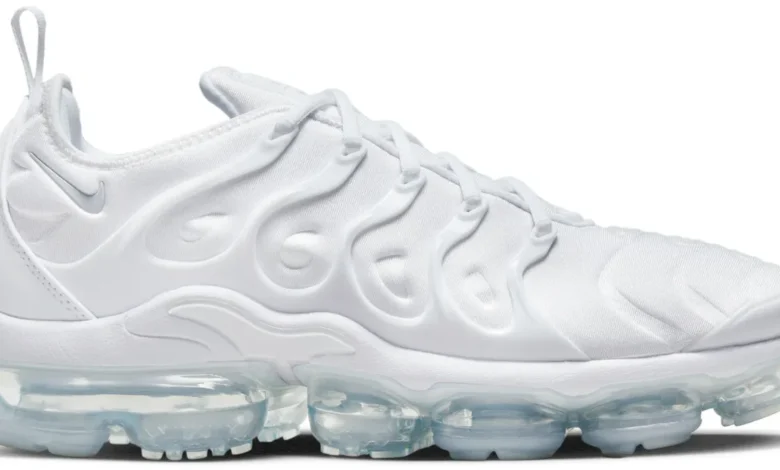
The Nike Air VaporMax Plus is more than just another sneaker; it’s a bold fusion of the past and the future. Nike took the aggressive, unmistakable upper design of the classic Air Max Plus and blended it with the cutting-edge sole unit of the VaporMax, creating something entirely fresh yet nostalgically familiar. The result? A sneaker that turns heads on the streets and delivers high-performance comfort underfoot.
At first glance, it’s the design that grabs your attention—those wavy TPU overlays and the glossy, almost iridescent colors. But beyond the aesthetics lies a shoe built for more than just looks. The Nike Air VaporMax Plus offers a one-of-a-kind cushioning system and premium materials that elevate the entire sneaker experience. Whether you’re walking downtown or hitting the gym, these shoes have the tech and the style to match.
History Meets Innovation: The Evolution Behind the Design
Nike has always been a leader in innovation, but what makes the Air VaporMax Plus unique is how it bridges two iconic sneaker eras. The Air Max Plus, originally released in the late ’90s, introduced the world to the Tuned Air system and a radical, flame-inspired design. That silhouette became a staple in streetwear and sneaker culture.
Fast forward to the 2010s, and Nike dropped the VaporMax—a revolutionary cushioning platform that removed traditional foam midsoles in favor of responsive, air-only soles. When Nike decided to marry these two into the Nike Air VaporMax Plus, it wasn’t just a mashup; it was a carefully calculated evolution of design and comfort.
The blend works because both silhouettes bring something unique. The upper delivers structure and street cred, while the sole keeps things light, responsive, and modern. The Nike Air VaporMax Plus feels both retro and futuristic, and that dual identity is what makes it such a compelling choice.
Design Aesthetics: A Visual Masterpiece
One of the first things people notice about the Nike Air VaporMax Plus is its standout design. It’s not a subtle sneaker by any means, and that’s part of the appeal. With bold colorways, reflective elements, and a dynamic structure, the shoe practically begs for attention. The upper is often made of neoprene-like material, giving it a snug, sock-like fit that’s both stylish and functional.
Then there’s the TPU cage, which isn’t just a nod to the original Air Max Plus—it adds depth, texture, and durability. Combined with the VaporMax cushioning pods underfoot, the shoe looks like it’s straight out of a sci-fi movie. And yet, it never feels like it’s trying too hard. The Nike Air VaporMax Plus is unapologetically bold, and that confidence resonates with sneakerheads and casual wearers alike.
The colorways are where things really get interesting. From all-black stealth modes to gradient color explosions, there’s a version of this shoe for every personality. Nike keeps the releases coming, ensuring that the design stays fresh and exciting. It’s not just a sneaker; it’s a wearable piece of art.
Performance Breakdown: How Does It Feel On Foot?

Comfort is where the Nike Air VaporMax Plus truly shines. The full-length VaporMax cushioning provides an unbelievably bouncy feel that literally puts a spring in your step. It’s like walking on clouds but with a bit more edge. The air pods offer targeted pressure relief and energy return, which makes these sneakers ideal for long walks or casual runs.
What really sets it apart, though, is the way the upper hugs your foot. The neoprene is soft and flexible but offers enough support to keep you locked in. Combined with the TPU cage, it balances structure and flexibility beautifully. These sneakers are engineered for all-day wear—whether you’re commuting, exploring the city, or just vibing with friends.
While it may not be the top choice for hardcore athletes or marathon runners, it holds its own in daily athletic use. Think of it as a performance-lifestyle hybrid. The Nike Air VaporMax Plus delivers where it matters: shock absorption, durability, and all-day wearability.
Streetwear Ready: How to Style the Nike Air VaporMax Plus
Let’s be real—style matters, especially when it comes to sneakers. The Nike Air VaporMax Plus checks all the boxes for streetwear fashion. Its bold look pairs perfectly with joggers, cargo pants, or even techwear. Toss on an oversized hoodie or a sleek bomber jacket, and you’ve got a fit that turns heads.
But it’s not limited to just casual wear. Fashion-forward folks are pairing the VaporMax Plus with more tailored pieces—think cropped trousers or minimalistic monochrome outfits. The versatility of the shoe lets you go from athleisure to high fashion without missing a beat. And because of the wide range of colorways, you can switch it up to match your mood or your wardrobe.
A popular choice among fashion influencers and sneaker enthusiasts alike, the Nike Air VaporMax Plus has become a staple in modern style. It’s loud but not overbearing, trendy yet timeless. If you’re looking to elevate your sneaker game, these are a must-have.
The Technology Behind the Hype
The VaporMax sole isn’t just for looks—it’s the result of decades of Nike innovation. Each air pod is strategically placed to provide targeted cushioning and flexibility. Unlike traditional soles, there’s no foam between your foot and the air units, which gives you a more direct, responsive feel.
And let’s talk about durability. The rubber pods on high-wear areas ensure that the sneaker can handle everyday abuse without losing its edge. The Nike Air VaporMax Plus is surprisingly rugged for such a sleek-looking shoe. Whether you’re walking on concrete, hitting the treadmill, or just kicking back, you can count on it holding up.
The upper is engineered for breathability and comfort. Despite its snug fit, it doesn’t feel suffocating. Instead, it adapts to your foot shape over time, becoming more comfortable with each wear. This is high-performance design, hidden in a street-ready package.
Who Is the Nike Air VaporMax Plus For?
This sneaker isn’t for everyone—and that’s exactly why people love it. The Nike Air VaporMax Plus is for those who aren’t afraid to make a statement. It’s perfect for sneaker enthusiasts, streetwear lovers, and anyone who values both style and substance. If you’re someone who needs your sneakers to do more than just look good, this pair might be your go-to.
That said, its comfort and durability also make it suitable for everyday wearers. You don’t have to be deep in sneaker culture to appreciate what the Nike Air VaporMax Plus brings to the table. Whether you’re a student, creative professional, or just someone who’s on their feet a lot, it fits the bill.
In essence, it’s a unisex, universal sneaker that has found its place in both niche and mainstream markets. It doesn’t conform to trends—it helps set them.
Nike Air VaporMax Plus: Sizing and Fit Guide
One of the most common questions around the Nike Air VaporMax Plus is about sizing. These tend to run true to size for most people, but there are a few nuances to keep in mind. The snug upper means that if you have wider feet, you might want to consider going half a size up.
Break-in time is minimal, which is a big plus. Thanks to the flexible neoprene upper, the shoe adapts quickly to your foot shape. The heel is well-cushioned, and the lacing system allows for a custom lockdown feel. If you’re shopping online, sticking with your standard Nike size is usually a safe bet.
For the best fit, try them on in-store if possible. And don’t forget to consider what type of socks you’ll be wearing—thin performance socks will give you a different feel than thick athletic ones. Bottom line: comfort meets performance, and finding your fit is worth the effort.
Colorways and Limited Editions

If there’s one thing Nike does exceptionally well, it’s dropping colorways that create buzz. The Nike Air VaporMax Plus has seen everything from all-white and triple black options to wild neon gradients and reflective editions. There’s literally something for everyone.
Nike often collaborates with designers or drops region-exclusive styles, making some of these editions incredibly valuable to collectors. The hype is real, and the demand is high. If you’re into rare kicks, keeping an eye on upcoming releases is a must.
Whether you prefer low-key tones or bold, statement-making hues, there’s a Nike Air VaporMax Plus colorway for you. The sheer variety ensures the model stays fresh in the market, appealing to both first-time buyers and seasoned sneakerheads.
Table: Key Features of the Nike Air VaporMax Plus
| Feature | Description |
|---|---|
| Upper Material | Neoprene with TPU overlays |
| Sole Technology | VaporMax Air Cushioning |
| Fit | True to size (consider half-size up for wide feet) |
| Weight | Lightweight construction |
| Durability | High-wear rubber pods on outsole |
| Use Case | Lifestyle, light athletic use, streetwear |
Quotes from the Sneaker Community
“The Nike Air VaporMax Plus is like walking on future tech with retro flavor. Can’t beat that combo.”
“Honestly, these changed the game for me. I get compliments every time I wear them.”
“I’ve worn these for 8 hours straight with no discomfort. Nike did something right here.”
FAQs About the Nike Air VaporMax Plus
Q: Are the Nike Air VaporMax Plus good for running? A: They’re best for light running or everyday wear. For serious running, a dedicated running shoe like the Pegasus or Alphafly would be better.
Q: Do the VaporMax Plus run small? A: They run true to size for most, but if you have wide feet, consider going half a size up.
Q: Are they waterproof? A: While they can handle light rain, they’re not fully waterproof. Avoid heavy rain or puddles.
Q: How do you clean the Nike Air VaporMax Plus? A: Use a soft brush and mild soap. Avoid machine washing and never submerge them fully in water.
Q: What makes the VaporMax Plus different from the regular VaporMax? A: The VaporMax Plus combines the upper of the Air Max Plus with the sole of the VaporMax, offering a unique blend of support and cushioning.
Final Thoughts: Why You Should Consider the Nike Air VaporMax Plus
In a market full of sneakers, the Nike Air VaporMax Plus manages to stand out with ease. It blends innovation, history, and high fashion into a single silhouette. Whether you’re after comfort, street credibility, or cutting-edge tech, this sneaker delivers.
If you’re looking for a pair that checks all the boxes—style, comfort, performance, and exclusivity—the Nike Air VaporMax Plus deserves a spot in your rotation. It’s not just a shoe; it’s a statement.